
Type 2 diabetes is becoming increasingly common these days, and many people are affected by it. It is not a condition that strikes suddenly; rather, it develops gradually within the body. It causes symptoms such as fatigue and other physical issues that can prove harmful to one’s health.
What Is Type 2 Diabetes?
This is a type of disease in which the human body fails to produce insulin properly or the insulin does not function correctly. Insulin is a hormone that transports sugar from the blood to the body’s cells, enabling the body to utilize that sugar to generate energy.
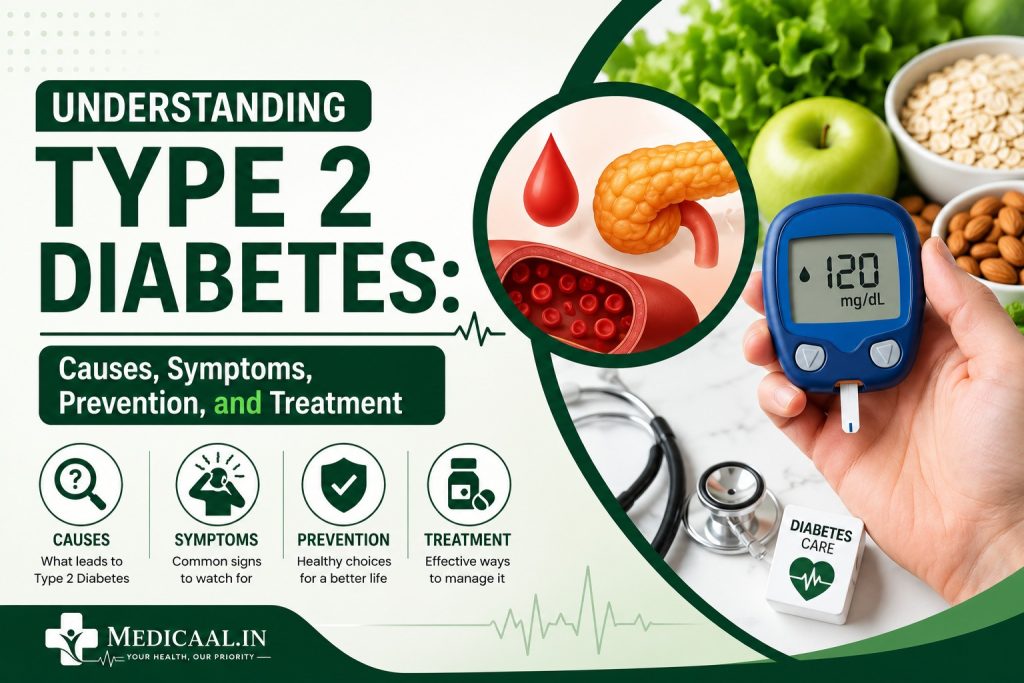
In Type 2 diabetes, insulin fails to perform its function effectively, or the body produces it in insufficient quantities. People take various measures to prevent this disease, such as consulting a doctor, making lifestyle changes, and more.
Causes of Type 2 Diabetes
What are the factors that lead to the development or onset of type 2 diabetes in the body.
Genetic Factors
This disease can be inherited from ancestors—such as parents or grandparents. It is often observed that if a grandparent suffers from a particular condition, it—or its effects—inevitably impacts the parent. Similarly, due to genetics, the disease can be passed down from one generation to the next.
Lifestyle Factors
Modern lifestyle choices are a cause of Type 2 diabetes. In today’s world, people often consume an unbalanced diet, leading to various physical health issues, one of which is Type 2 diabetes. Additionally, factors such as weight gain, stress, and a complete lack of physical exercise are among the primary causes.
Common Symptoms of Type 2 Diabetes
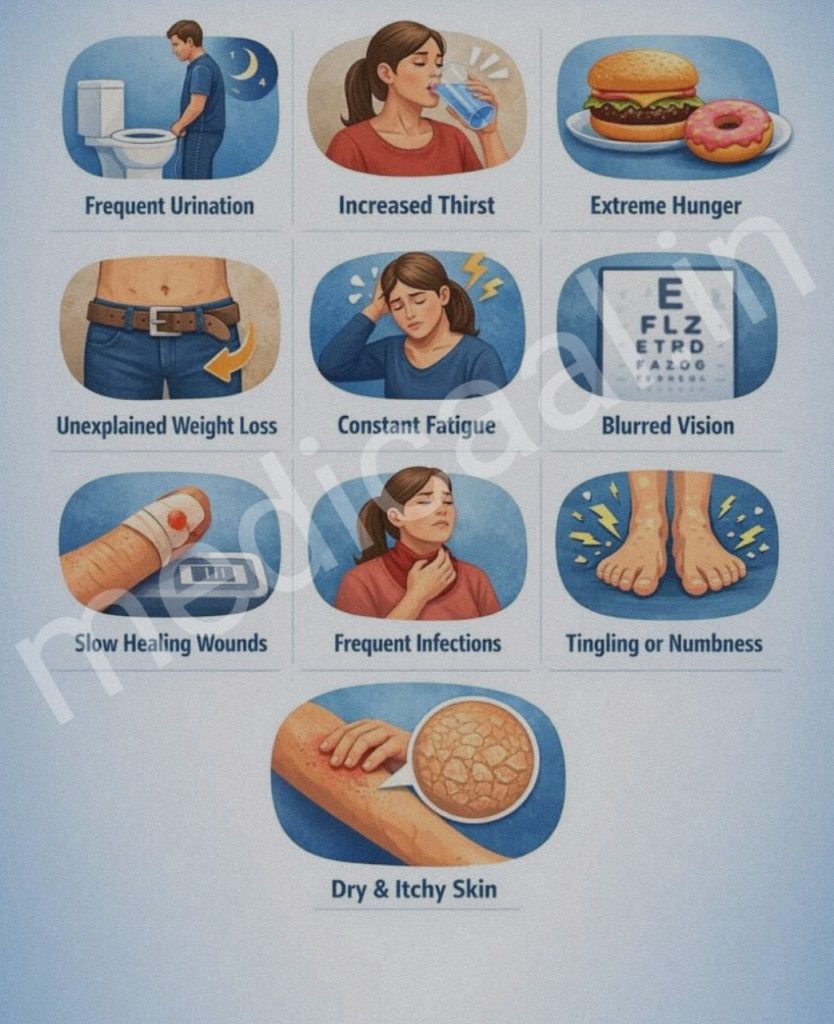
We can also recognize its symptoms through changes in our bodies. Some of these symptoms include:
- Feeling excessively tired
- Experiencing intense thirst
- Frequent urination
- Blurred vision
- Slow healing of wounds
- Excessive hunger
- Sudden, significant weight loss
Who Is at Risk?
Nowadays, many people are at risk; some of the high-risk groups include the following:
- Overweight individuals
- Older adults
- People with high blood pressure
- Those under high stress
- People with a poor diet
- Sedentary individuals (those who are inactive)
How Type 2 Diabetes Is Diagnosed
Doctors use several tests to diagnose Type 2 diabetes:
- Fasting Blood Sugar Test
- HbA1c Test
- Random Blood Sugar Test
- Oral Glucose Tolerance Test
If you have even the slightest suspicion that you might be developing Type 2 diabetes, you can undergo one of these tests to confirm whether or not you have the condition.
Possible Complications of Untreated Diabetes
If you have diabetes but fail to make necessary changes to your lifestyle and diet, or do not seek medical advice, you could face various health risks:
- Sudden stroke
- Heart-related diseases
- Impaired vision
- Nerve damage
- Kidney failure
Prevention Tips for Type 2 Diabetes
There are several measures you can take to prevent Type 2 diabetes, and they are not particularly difficult to implement.
Healthy Diet
You should consume a nutritious diet rich in proteins and minerals. Eating home-cooked meals and green vegetables instead of junk food daily can significantly improve your health.
Regular Exercise
You should go for a walk every morning or evening and exercise for at least 30 to 40 minutes. It has been observed that individuals at risk of developing this condition can prevent it through daily exercise.
Weight Management
If you are overweight, aim to reduce your weight to align with your BMI(Body Mass Index). Excess weight increases the likelihood of developing health issues associated with this disease.
Treatment Options
Various treatments for Type 2 diabetes are available today, ranging from expensive to affordable options; some can even be managed at home.
Medications
While many medications are available on the market to manage the condition, you should take them only under a doctor’s supervision.
Insulin Therapy
If oral medications prove ineffective, you might consider insulin therapy; doctors often recommend this treatment when other medications fail to yield results.
Lifestyle Changes
You can modify your daily routine; for instance, if you currently do not exercise and frequently eat out, you should start exercising daily and stop consuming food from outside sources.
Best Foods for People with Diabetes
Whenever you fall ill, doctors recommend certain beneficial foods—items that even a healthy person should consume. Some of these include:
- Brown rice
- Oats (prepared with milk or water)
- Green vegetables
- Fruits
- Almonds and walnuts
Foods to Avoid
People with diabetes should eliminate several items from their diet.
- Sweet foods should be completely avoided.
- Junk food should not be eaten.
- Foods made from refined flour (maida) should be avoided.
- White bread should not be consumed.
- Excessively oily food should also be avoided.
Living a Healthy Life with Diabetes
If you have diabetes, you can still lead a normal life; you simply need to make changes to your daily routine. Practices such as exercising regularly, eating a healthy diet, getting adequate sleep, and reducing stress can help you maintain a healthy lifestyle.
-
Magnesium Deficiency: Symptoms, Causes, and Best Food Sources
-
What Is High Blood Pressure? Causes, Symptoms, Diagnosis, Treatment and Prevention
When to Consult a Doctor
You should consult a doctor if you notice any of the following symptoms:
- Feeling excessively tired
- Excessive thirst
- Sudden, significant weight loss
- Frequent urination
- Blurred vision
- Slow wound healing
- Excessive hunger
Frequently Asked Questions (FAQs)
Can diabetes be controlled through daily exercise?
Yes, it can be controlled with daily exercise.
Can Type 2 diabetes be completely cured with medication?
No, it cannot be cured with medication, but it can be controlled.
Can it be controlled by making certain dietary or lifestyle changes?
Yes, you can control it by making the lifestyle adjustments mentioned in the article.
Conclusion
Today, our team has prepared a very useful article explaining what Type 2 diabetes is and how it can be detected if you are affected by it. Our team will continue to bring you similar informative articles related to your health.